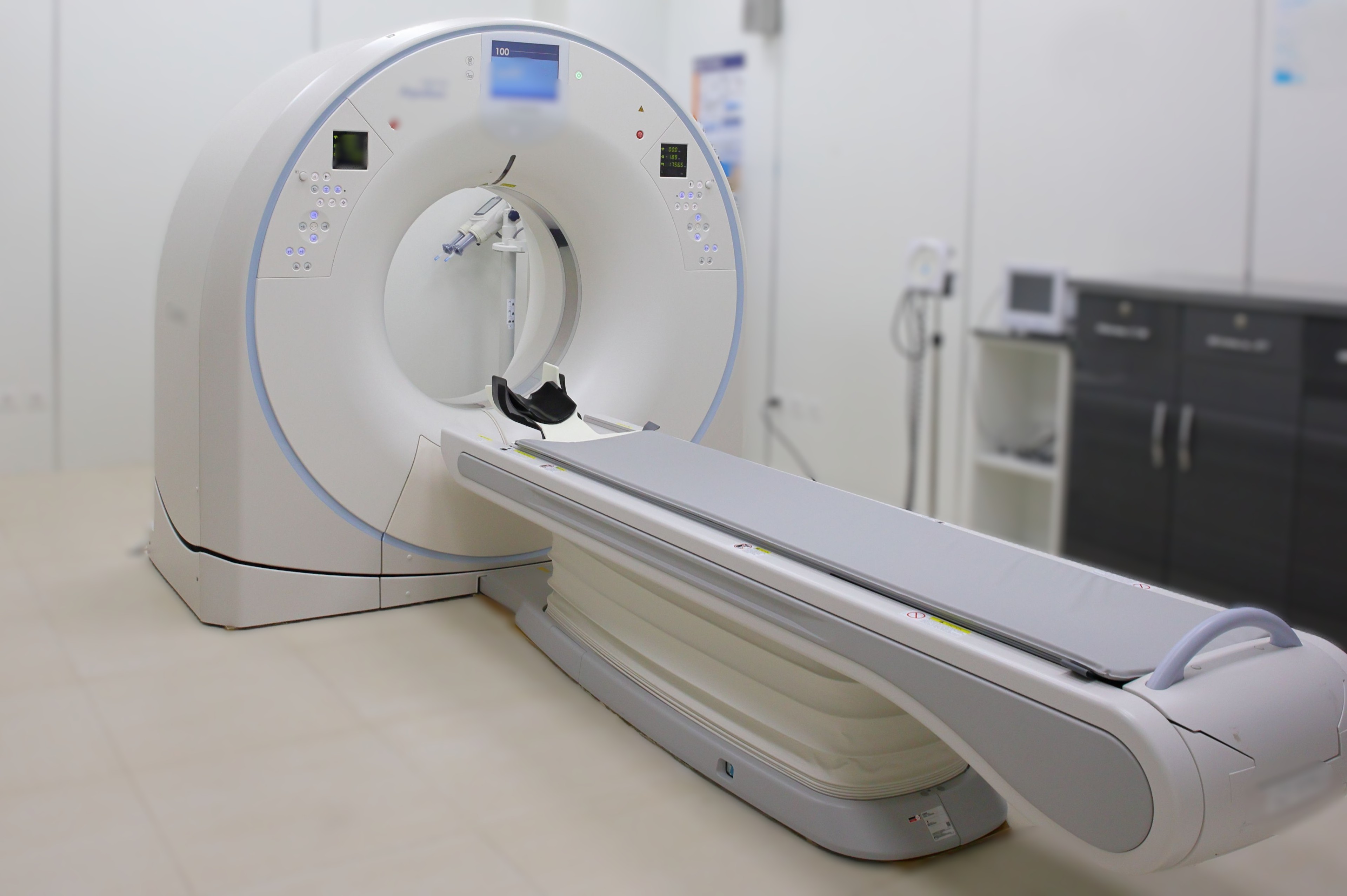
Low-dose CT screening can catch lung cancer early, when it is most treatable. The challenge is deciding who qualifies. Eligibility today rests mostly on age and smoking history. Those criteria miss people who go on to develop lung cancer, and they include many who never will. Better targeting of who is scanned — and how often — would help screening reach more of the people most likely to benefit.
Age and smoking history are proxies. They describe exposure and the passage of time, not what is happening in a person's tissue now.
The GAGome reflects extraellular-matrix remodelling, inflammation and tissue turnover — processes implicated early in cancer development. Because it measures acquired biology rather than demographics, it can carry information that age and smoking history do not.
In a retrospective external validation published in Cancer Epidemiology, Biomarkers & Prevention in 2025, a plasma GAGome score added information beyond the LLPv3 risk model. That study was conducted in a symptomatic population. Studies to evaluate plasma GAGome scores in large asymptomatic high risk lung cancer screening populations are ongoing.
In addition, we are exploring urine self-sampling in cooperation with leading UK universities examining whether a GAGome-based test can be collected and measured reliably outside a clinical setting, and whether it increases the participation of individuals from hard-to-reach populations who did not respond to the established lung cancer screening invitation.
Elypta's products are supplied for research use only. There is no approved GAGome diagnostic test for lung cancer, and none is offered.

.svg)


ISO 13485:2016 certified for Design, development and manufacture of in vitro diagnostic test kits and software for the measurement and interpretation of glycosaminoglycans (GAGs) in human biofluids


